Is There a New Keurig Pod Recall? Here’s What’s Really Going On (and How to Check Your Box in 60 Seconds)
No, there's no new Keurig pod recall. Here's the McCafé decaf recall that's trending again, the exact codes to check, and what to do if your box matches.
If you searched “Keurig coffee pods recall” this week, you are not alone. The search is spiking. Headlines are everywhere. And most of them leave out the one thing you actually need to know: this is not a new recall. It is a recall from last December that is getting a second life online. Here is the full story, the exact codes to check, and what to do if you find a match.
Why Everyone Is Searching This Again
The recall first made news in late January. Then it went quiet. Over the last two weeks, dozens of sites have republished the story with fresh dates, so it looks brand new in your feed. Good Housekeeping, TODAY, NBC Chicago, and Allrecipes all show November 2026 update stamps on what is the same January story.
There is also a calendar reason. The recalled boxes carry a Best By date of November 17, 2026. That date is days away, so the recall is popping up in people’s minds (and in search engines) right as those boxes hit the back of the pantry.
Here is the part most of the recycled headlines skip. The FDA’s own enforcement database lists this recall as Terminated with a termination date of May 21, 2026 (FDA Enforcement Report H-0419-2026). “Terminated” means the FDA is satisfied the company did what it was supposed to do to get the product back. It does not mean every box vanished from every kitchen. It does mean there is no active, ongoing recall action.
Exactly What Was Recalled
Only one product. Not all McCafé pods. Not all decaf pods. Not anything else with a Keurig logo.
| Detail | What to look for |
|---|---|
| Product | McCafé Premium Roast Decaf Coffee K-Cup Pods |
| Box size | 84-count carton, net weight 29 oz (823 g) |
| UPC | 043000073438 |
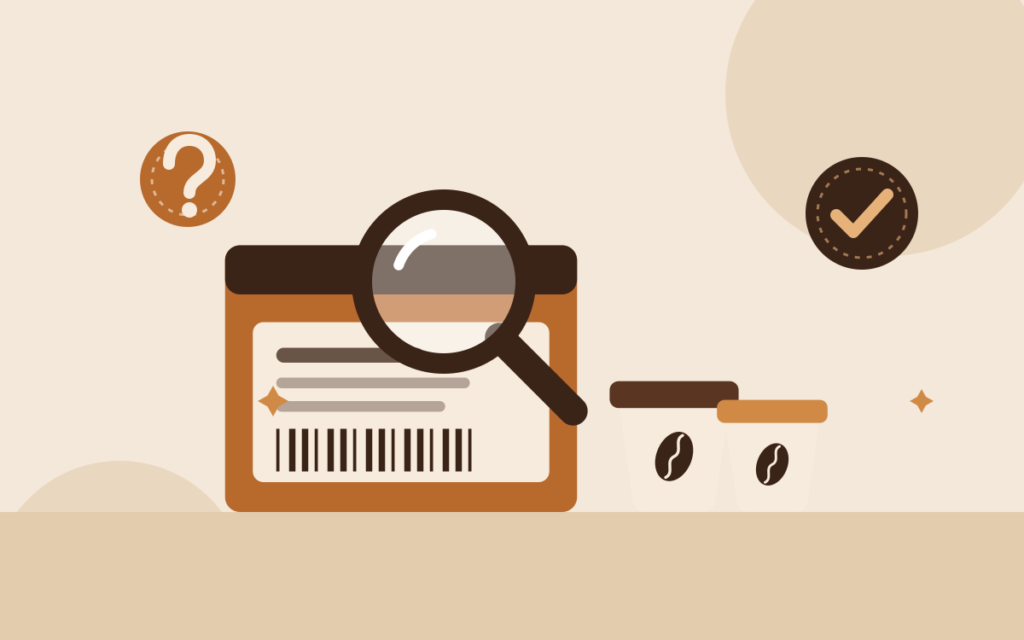
| Best By | 17 NOV 2026, followed by codes like “LA hh:mm PL070 5321” or “5322” |
| Batch number | 5101564894 |
| Material number | 5000358463 |
| Amazon ASIN | B07GCNDL91 |
| Quantity | 960 cartons, or about 80,640 pods |
| Problem | Labeled decaf, but may contain caffeinated coffee |
All of these identifiers come from the FDA’s enforcement report. The timeline, per the same report: Keurig Dr Pepper started the recall on December 6, 2025, the FDA classified it on January 23, 2026, published it on February 4, 2026, and terminated it on May 21, 2026.
Where it was sold. The FDA lists distribution to California, Indiana, and Nevada. Keurig Dr Pepper has told several outlets the pods were sold through one retail partner, Amazon, and that everyone who bought them was notified directly in mid-December (NBC Chicago; The Independent). Those two facts fit together: the three states are where the Amazon shipments went. If you bought an 84-count McCafé decaf box from Amazon in late 2025, check your order history and your email from that period.
Why “Decaf With Caffeine” Is a Real Problem
For most people, drinking regular coffee by mistake means a little extra energy. That is why the FDA rated this a Class II recall, its middle tier, which the agency defines as a product that “may cause temporary or medically reversible adverse health consequences” where the chance of serious harm is remote (Good Housekeeping).
But people buy decaf for a reason. The FDA says a regular 12-ounce cup of brewed coffee typically has 113 to 247 milligrams of caffeine, and that some medical conditions and medications make people more sensitive to it. The agency also advises people who are pregnant, trying to become pregnant, or breastfeeding to talk to a doctor about caffeine limits (FDA). For someone with a heart rhythm problem, bad anxiety, or a strict doctor’s order, a surprise 200 milligrams at 9 p.m. is not a small thing.
Symptoms of too much caffeine, per the FDA: a racing heart, palpitations, high blood pressure, insomnia, anxiety, jitters, upset stomach, nausea, and headache (FDA). If you drank “decaf” and felt any of those, this recall may explain it.
What to Do If Your Box Matches
- Stop brewing from it if you or anyone in your home needs to avoid caffeine. If no one in your house cares about caffeine, the coffee itself is safe. The problem is the label, not the beans (WSBT).
- Return it or throw it out. Keurig Dr Pepper says to return the pods to where you bought them for a refund or replacement, or discard them (The Independent).
- Call Keurig Consumer Care at 866-901-2739 if you have questions or want a replacement arranged directly (Providence Journal).
- Check office and shared kitchens. Boxes of 84 are bulk purchases. They end up in break rooms, waiting rooms, and church kitchens, where nobody reads the recall email (The Cool Down).
If your box has a different Best By date, a different batch number, or a different size, it is not part of this recall.
Is My Keurig Machine Recalled?
No. There is no current recall on any Keurig brewer. Searches for “Keurig recall” sometimes surface a different, much older event: the December 2014 recall of about 6.6 million Keurig MINI Plus brewers (model K10) that could spray hot water during brewing (CPSC). That recall is 12 years old, but if you still own a K10 MINI Plus, flip it over. Recalled units have a serial number starting with “31” on a white sticker on the bottom, and Keurig offered a free repair.
Keurig’s Recall Track Record (It’s a Pattern)
This is not the first time a Keurig-made pod got the wrong caffeine label. The FDA database shows a clear theme:
- 2013: Tully’s House Blend Decaf K-Cup boxes contained regular caffeinated pods (Green Mountain Coffee Roasters, Class III).
- 2014: Newman’s Own Organics Special Blend K-Cups, where caffeinated pods got decaf lids during packaging (Class II).
- 2023: Celestial Seasonings Mandarin Orange Spice “herbal” tea K-Cups actually contained black tea, so caffeine was undeclared (Keurig Dr Pepper, Class II, 44 states).
- 2025: The McCafé decaf recall covered here.
All four are listed in the FDA enforcement database. None involved contaminated or unsafe coffee. Every one was a label or packaging mix-up on a decaf or caffeine-free product. If you rely on decaf for health reasons, that pattern is worth knowing.
How to Check for Any Coffee Recall Yourself in 2 Minutes
You do not need to wait for a headline. Bookmark these:
- FDA recalls page: fda.gov/safety/recalls-market-withdrawals-safety-alerts. This covers food and drinks, including coffee pods. You can sign up for email alerts there.
- FDA enforcement reports: The weekly reports are where the McCafé recall first showed up, before any news site covered it. Search by company name.
- CPSC recalls: cpsc.gov/Recalls. This covers brewers and other appliances, not the coffee itself. The Bodum French press recall announced October 29, 2026 is the kind of thing you will find here (CPSC).
- Keurig’s own site: Keurig posts recall notices under Support. Consumer Care is 866-901-2739.
- Your Amazon account: Amazon emails buyers when a product they purchased is recalled. Search your inbox for “recall” and the product name.
One habit that helps: when you open a bulk box of pods, snap a photo of the label with the Best By date and batch number. If a recall ever hits, you can match it in seconds instead of digging through the recycling.
The Bottom Line
There is no new Keurig pod recall. The one in the headlines is the McCafé decaf recall from December 2025, which the FDA closed in May. It is trending again because sites are republishing it and because the Best By date on the affected boxes, November 17, 2026, is right around the corner. Check your box against the codes above. If it matches, return it or toss it. If it does not, your pods are fine. And if you drink decaf for health reasons, this is a good reminder to keep an eye on labels, because caffeine mix-ups are the most common reason K-Cups get recalled.
Related reading: Mold in Your Keurig? The 10-Minute Routine That Stops It and Love Your Keurig, Hate the Waste? 7 Greener Ways to Brew.