How-To & Fixes
How to Clean Keurig Needles (K-Supreme, K-Mini, K-Slim and More)
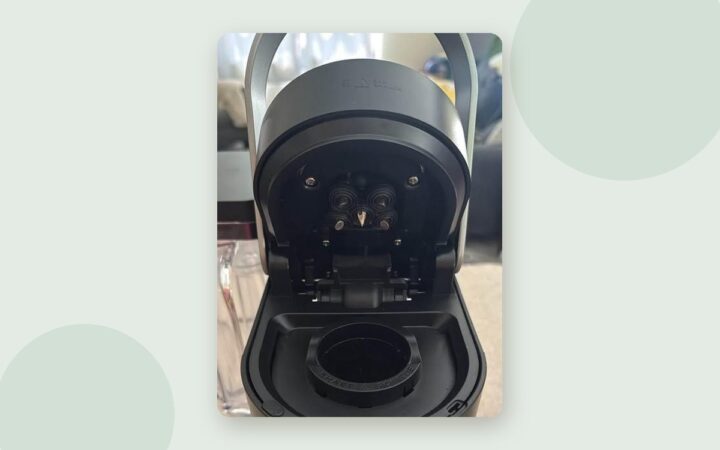
Packed grounds in the needles are the #1 reason a Keurig brews nothing. Model-by-model steps, including the K-Supreme's angled five-needle head.
Everything Keurig: the best K-Cups, choosing a brewer, and getting a better cup from the one you own.
Packed grounds in the needles are the #1 reason a Keurig brews nothing. Model-by-model steps, including the K-Supreme's angled five-needle head.
Gritty coffee usually comes from grounds around the needles, a clogged exit needle, or a reusable pod. Here's how to stop it for good.
A 45-minute routine that fixes short cups, slow brews and flat-tasting coffee, plus fixes for a descale light that won't clear.
Why the Add Water light stays on with a full tank, the five fixes to try, and why it can also stop your descale light from ever clearing.
The Prime message means water isn't reaching the pump. Work through these six fixes in order and most brewers are back in minutes.
Reheating coffee through a Keurig leaves oily residue, and milk or sugar can spoil inside. Here's the step-by-step clean-out, when to give up, and better ways to reheat.
Short cups almost always mean something is restricting water flow. Here are the five usual suspects, in the order to check them.
Weak and bitter together has one main cause: too much water through too little coffee. Cup size, the Strong setting, clean needles and better pods fix most of it.
Brew any coffee in your Keurig for a fraction of the cost per cup. These are the reusable pods worth buying, and how to get a stronger cup from them.
When a Keurig shuts off seconds into a brew, the pattern tells you why: blocked flow, overheating, auto-off or power. Here's how to tell them apart and fix each.